The Itch That Wouldn’t Go Away: What Bruno Taught Us About Dog Skin Care
Bruno’s scratching seemed harmless at first — just another monsoon itch. But when the redness, paw licking and sour smell got worse, his family discovered it was yeast dermatitis. His story is a reminder that pets ask for help through small signs.
Clear answers, fixed package context, and grooming advice that matches how pet parents actually search before booking.
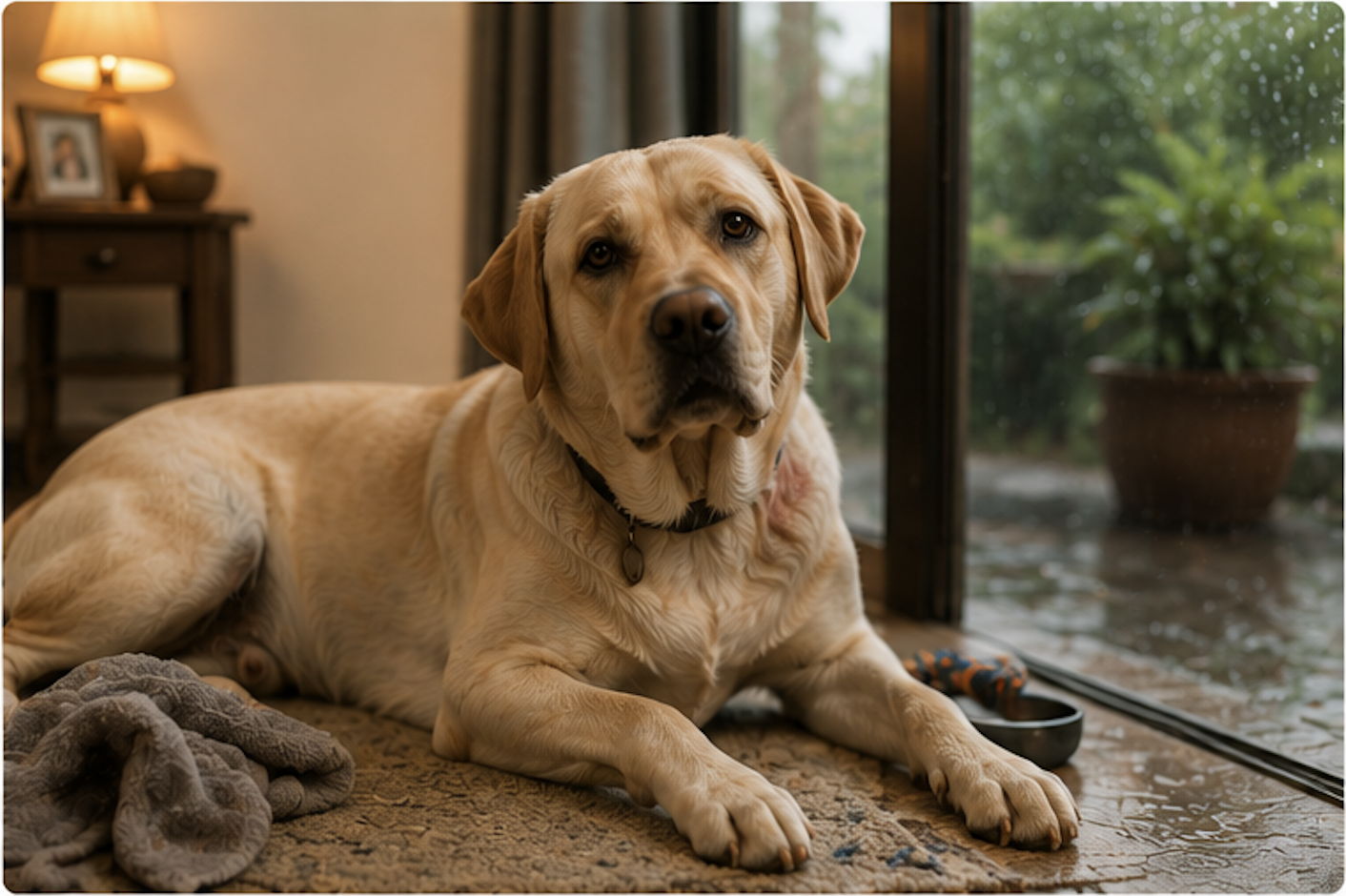
At first, Bruno’s scratching seemed harmless.
Monsoon had arrived. The air was damp, the floor never stayed fully dry, and every walk ended with wet paws, muddy splashes and that familiar rainy-season dog smell.
So when Bruno started scratching more than usual, it was easy to explain away.
He would roll on the carpet, twist himself into impossible shapes, and spend half the evening gnawing at his paws. For a while, it was almost funny.
Until it was not.
Soon, the sound of scratching became part of the house.
At night, his collar jingled with every frantic movement. His neck looked red. The fur around certain patches looked thinner. I told myself he was just shedding.
Then the smell started.
If you have ever lived with a Labrador, you know dogs have their own smell. But this was different.
It was sour.
Damp.
Heavy.
Not the smell of a dog after a walk, but the smell of skin that was trying to tell us something.
I towelled him after walks. I tried baby powder. I changed his shampoo. I told myself it would pass.
It did not.
When Bruno started losing sleep, I finally booked a vet appointment through the All Tails app.
The vet took one look under his ear flap and said, “Yeast dermatitis.”
That was the moment I realised Bruno’s itch had never been “just an itch.”
It was his way of asking for help.
At first, Bruno’s scratching seemed harmless.
Monsoon had arrived. The air was damp, the floor never stayed fully dry, and every walk ended with wet paws, muddy splashes and that familiar rainy-season dog smell.
So when Bruno started scratching more than usual, it was easy to explain away.
He would roll on the carpet, twist himself into impossible shapes, and spend half the evening gnawing at his paws. For a while, it was almost funny.
Until it was not.
Soon, the sound of scratching became part of the house.
At night, his collar jingled with every frantic movement. His neck looked red. The fur around certain patches looked thinner. I told myself he was just shedding.
Then the smell started.
If you have ever lived with a Labrador, you know dogs have their own smell. But this was different.
It was sour.
Damp.
Heavy.
Not the smell of a dog after a walk, but the smell of skin that was trying to tell us something.
I towelled him after walks. I tried baby powder. I changed his shampoo. I told myself it would pass.
It did not.
When Bruno started losing sleep, I finally booked a vet appointment through the All Tails app.
The vet took one look under his ear flap and said, “Yeast dermatitis.”
That was the moment I realised Bruno’s itch had never been “just an itch.”
It was his way of asking for help.
Quick answer: Why is my dog itching so much in monsoon?
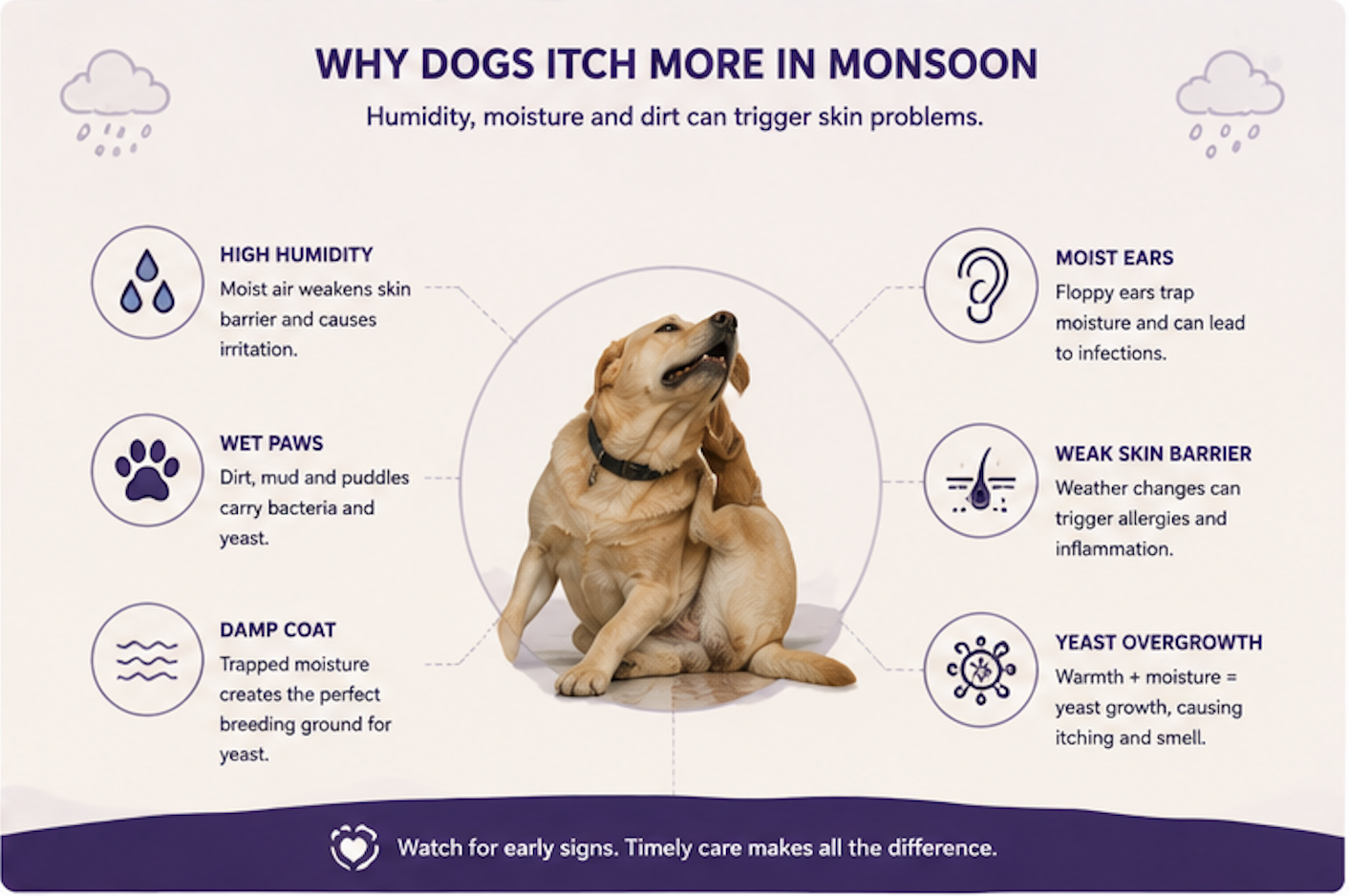
Dogs can itch more during monsoon because humidity, damp fur, wet paws and trapped moisture can irritate the skin and create conditions where yeast or bacterial skin problems may develop.
If your dog is scratching constantly, licking paws, smelling sour or damp, losing fur, developing redness, or not sleeping properly, it may be more than normal itching. A vet should check for yeast dermatitis, allergies, parasites, bacterial infection or other skin issues.
| Symptom | What it may suggest |
|---|---|
| Constant scratching | Skin irritation, allergy, infection or parasites |
| Paw licking or chewing | Moisture, allergy, yeast, irritation or injury |
| Sour or damp smell | Possible yeast overgrowth or skin infection |
| Red skin | Inflammation or irritation |
| Thinning fur | Repeated scratching or licking |
| Greasy skin | Possible yeast or skin imbalance |
| Ear smell or redness | Ear infection or yeast concern |
| Poor sleep | Discomfort that needs attention |
This article is based on one pet parent’s lived experience and is not a substitute for veterinary advice. If your dog has severe itching, redness, bad smell, open wounds, hair loss, ear discharge, swelling, pain or repeated skin problems, consult a qualified veterinarian.
Meet Bruno: The Labrador who could not stop scratching
Bruno was a Labrador, which meant he was good at many things.
Eating enthusiastically.
Finding mud.
Acting innocent near wet footprints.
Carrying the smell of the outdoors into the house like a personal achievement.
He had always been an active dog, so a little scratching did not seem alarming at first.
During monsoon, every dog seems a little damp and itchy. Their paws get wet. Their ears stay moist. Their coat takes longer to dry. Their bedding smells different. The house feels humid.
So Bruno’s scratching was easy to dismiss.
That was the first mistake.
Not every itch is an emergency. But an itch that keeps coming back, gets worse, changes the skin, affects sleep or comes with smell should never be ignored.
Why monsoon can make dog skin problems worse
Monsoon creates the perfect environment for skin trouble in many dogs.
Humidity rises. Coats stay damp for longer. Paws are exposed to wet roads, grass, mud and dirty puddles. Ears may stay moist. Thick-coated dogs may trap water close to the skin.
This can affect dogs with sensitive skin, allergies, folds, thick coats or floppy ears.
Monsoon skin problems may become worse because of:
- Damp coat after walks
- Wet paws
- Moisture trapped under fur
- Poor drying after baths
- Humid indoor air
- Dirty rainwater
- Mud and puddles
- Tick and flea exposure
- Allergens
- Delayed grooming
- Overuse of powders or wrong shampoos
For dogs like Labradors, Golden Retrievers, Shih Tzus, Cocker Spaniels, Indies, Beagles and other active pets, monsoon grooming and drying become especially important.
The first signs we missed
Looking back, Bruno had been showing signs for days.
At first, he rolled on the carpet more often. Then he started twisting to reach his neck. Then came the paw chewing.
The scratching became louder, more frequent and more urgent.
At night, the sound of his collar jingling became a warning bell we kept ignoring.
The skin near his neck became red. The fur looked thinner. His paws looked irritated. His ears smelled different.
We kept explaining each sign separately.
The red skin was probably scratching.
The fur loss was probably shedding.
The smell was probably monsoon.
The paw licking was probably habit.
But together, they were a pattern.
That is what pet parents need to watch for.
A single sign may seem small. Several small signs together can mean your dog is uncomfortable.
What is yeast dermatitis in dogs?
Yeast dermatitis is a skin condition caused by yeast overgrowth on a dog’s skin.
Yeast naturally exists on the skin, but when the skin environment changes, it can multiply and cause irritation. Moisture, humidity, allergies, skin folds, oily skin or poor drying can create conditions where yeast becomes a problem.
Common signs of yeast dermatitis in dogs may include:
- Itching
- Red skin
- Greasy skin
- Sour or musty smell
- Paw licking
- Ear irritation
- Skin darkening over time
- Hair thinning
- Repeated scratching
- Thickened skin in chronic cases
Yeast dermatitis is common in humid seasons, but it should still be diagnosed by a vet.
A dog who smells sour and scratches constantly needs more than guesswork.
Why the smell matters
The smell was the sign that finally made us realise something was wrong.
Bruno did not just smell like a dog after rain.
He smelled sour and damp, almost like the moisture had become trapped in his skin.
That smell can be an important clue.
A strong, sour, musty or greasy smell may suggest yeast overgrowth or skin infection. It can also be linked to ear problems, skin folds, paws or coat areas that stay moist.
If your dog smells unusual even after cleaning, do not just change shampoo again and again.
A smell that keeps coming back usually has a reason.
Why home treatments can make things worse
Before seeing the vet, we tried the usual pet-parent experiments.
Extra towel drying.
Baby powder.
A shampoo switch.
More wiping.
More guessing.
The intention was good, but the result was not.
Some home treatments can irritate skin further, trap moisture, dry the skin incorrectly, hide symptoms or delay proper diagnosis.
Be careful with:
- Human baby powder
- Human shampoo
- Strong fragrances
- Random antiseptic liquids
- Essential oils
- Repeated shampoo changes
- Home remedies from WhatsApp forwards
- Over-bathing without vet advice
- Ignoring persistent smell
Skin problems need the right diagnosis because itching can have many causes: yeast, bacteria, allergies, ticks, fleas, mange, food sensitivity, contact irritation, hormonal issues or ear infections.
Guessing can waste time.
The vet visit that changed everything
When the itching began affecting Bruno’s sleep, we booked a vet appointment through the All Tails app.
Dr. Priyanka checked him and looked under his ear flap.
The diagnosis was yeast dermatitis.
She explained that it was common in the season. Moisture trapped under the fur, plus humidity, had created the right conditions for yeast to grow.
Water from walks, baths or even a quick drizzle can stay trapped in thick coats. For a dog like Bruno, that meant dampness could sit close to the skin long after he looked dry from the outside.
The redness, greasy skin and sour smell suddenly made sense.
The treatment was not complicated, but it had to be followed properly.
What the vet recommended for Bruno
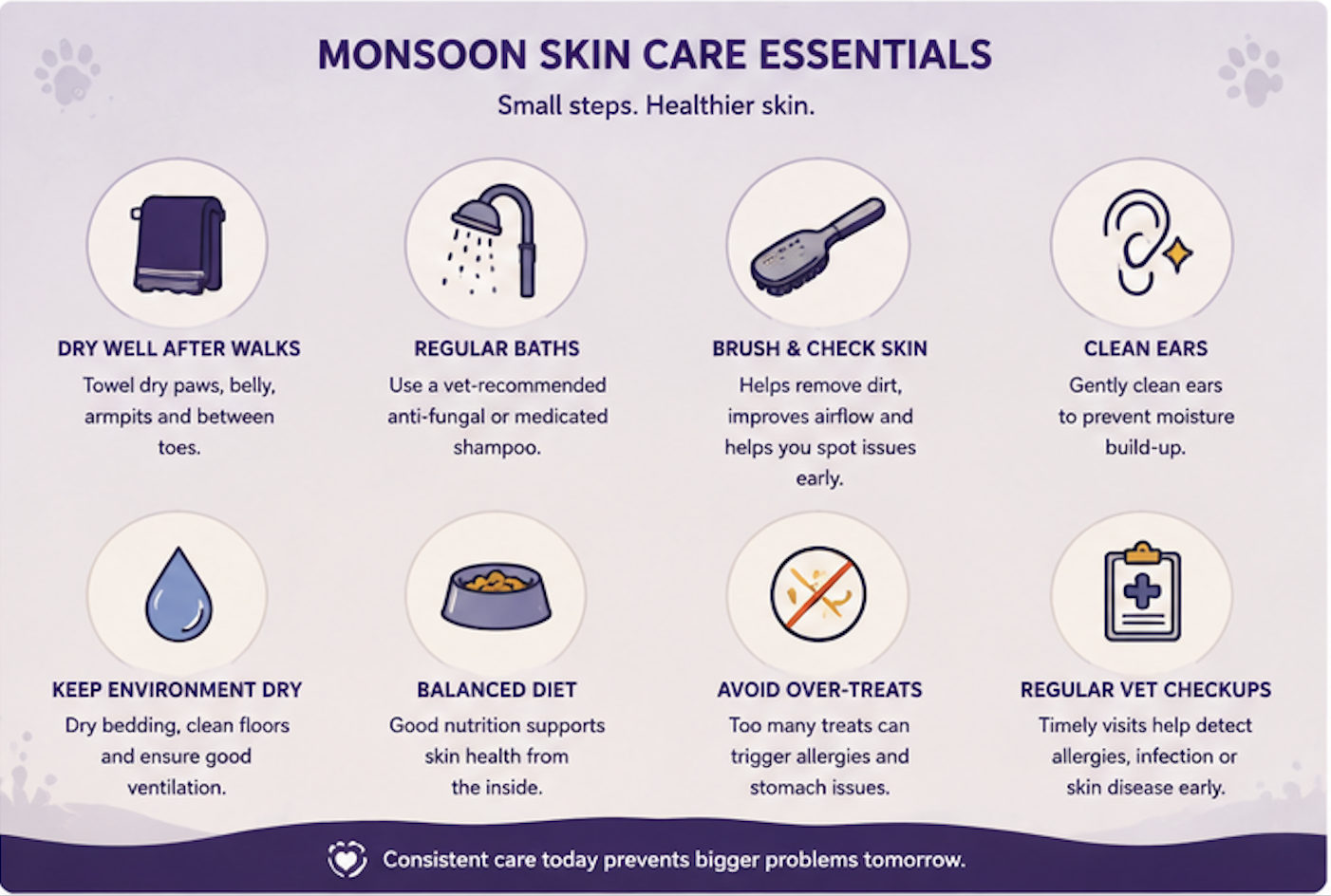
Bruno’s treatment plan was simple but strict.
It included:
- Medicated shampoo twice a week
- Proper drying after every bath
- No half-hearted towel swipes
- Low-heat drying for ears and paws
- Diet adjustments
- Fewer grains
- More protein
- A skin-support supplement
The most important part was consistency.
A medicated shampoo does not help much if the coat stays damp afterward. A diet change does not work overnight. A paw routine only helps if it becomes a habit.
The first week, Bruno still scratched.
By the second week, the red patches began healing. His fur started looking better. The sour smell faded. He slept better.
And the guilt softened into learning.
Why drying your dog properly matters
Drying is not just a cosmetic step after a bath or walk.
For some dogs, proper drying is skin care.
Moisture trapped in fur, paws, ears or skin folds can worsen itching and odour. It can also create an environment where yeast and bacteria are more likely to grow.
After walks in monsoon, pay attention to:
- Paws
- Between toes
- Underbelly
- Neck
- Ears
- Armpits
- Tail base
- Skin folds
- Areas under collars or harnesses
A quick towel wipe may not be enough for thick-coated dogs or dogs prone to skin issues.
Use a clean towel and, if your vet recommends it, a low-heat dryer for areas that stay damp.
Never use high heat close to the skin.
Paw licking during monsoon
Paw licking is one of the most common signs pet parents notice during monsoon.
Dogs walk through wet roads, muddy patches, grass, puddles and damp surfaces. Moisture and irritants can stay between the toes.
Paw licking may be caused by:
- Damp paws
- Yeast overgrowth
- Allergies
- Dirt or irritants
- Small cuts
- Ticks or fleas
- Pain
- Anxiety
- Contact dermatitis
If your dog keeps licking or chewing paws, check between the toes and paw pads.
If the paws are red, smelly, swollen, painful or constantly wet, consult a vet.
Ear care during humid weather
Bruno’s diagnosis became clear when the vet looked under his ear flap.
Many dogs, especially those with floppy ears, can develop ear moisture and yeast problems during humid weather.
Watch for:
- Head shaking
- Ear scratching
- Redness
- Bad smell
- Brown discharge
- Sensitivity when touched
- Pawing at ears
- Tilting head
Do not put random drops into your dog’s ears without vet advice.
Ear problems can be painful, and the wrong treatment can make them worse.
Diet and skin health
Bruno’s treatment included diet changes: fewer grains, more protein and a skin-support supplement.
Diet can play a role in skin health, especially for dogs with allergies, sensitivities or recurring skin problems.
However, diet changes should be made carefully.
Do not switch foods suddenly without guidance. Do not assume every itch is a food allergy. Skin issues can have many causes.
A vet may recommend changes based on your dog’s symptoms, breed, age, weight, coat condition and medical history.
For Bruno, diet support was part of the plan, not the whole treatment.
How grooming helps during monsoon
Professional grooming can help maintain coat hygiene during monsoon, especially when done with proper drying and pet-safe products.
Grooming can help with:
- Bathing
- Coat cleaning
- Proper blow drying
- Ear cleaning
- Nail trimming
- Paw hygiene
- Under-paw trimming
- Hygiene trimming
- Tick checks
- Matting prevention
- Odour control
But grooming is not a replacement for veterinary care if your dog has a skin infection.
If your dog has severe itching, redness, wounds, smell, hair loss or ear discharge, see a vet first.
After diagnosis, grooming can support the care routine when done properly.
Which All Tails grooming package helps with monsoon hygiene?
All Tails grooming packages can support hygiene and coat care, depending on your dog’s needs.
| Package | Price | Best for |
|---|---|---|
| Essential Care | Rs 999 | Bathing, ear cleaning and nail trimming |
| Signature Care | Rs 1,299 | Bathing, hygiene trimming, dental cleaning |
| Complete Pampering | Rs 1,799 | Full body hairstyling, dematting, premium coat care |
Essential Care includes shampoo, conditioning, blow dry, ear cleaning and nail trimming.
Signature Care includes hygiene haircut around the face, genitals and under the paws.
Complete Pampering includes full body hairstyling, light dematting and premium grooming. Oil massage, paw butter and hair serum are part of Ultimate Pampering.
If your dog has active skin symptoms, consult your vet before booking grooming.
Bruno’s new monsoon routine
After the treatment, Bruno and I developed a new ritual.
After every walk, he waits near the door.
I grab his towel.
He stands there patiently while I dry his paws, underbelly and ears. If I forget, he nudges the towel himself, as if reminding me of our agreement.
It is a small habit, but it changed everything.
The scratching stopped.
The smell faded.
His coat looked better.
And I learned that prevention is not dramatic. Sometimes it is just a towel by the door and the discipline to use it every time.
How to prevent monsoon skin problems in dogs
You cannot control the weather, but you can reduce your dog’s risk of dampness-related skin problems.
Helpful monsoon habits include:
- Dry your dog after every wet walk
- Clean and dry paws properly
- Check between toes
- Keep ears dry
- Avoid letting damp collars stay on
- Wash and dry bedding regularly
- Use pet-safe products
- Do not over-bathe without advice
- Watch for sour smells
- Check for ticks and fleas
- Book regular grooming if needed
- See a vet if itching continues
Small routines can prevent bigger discomfort later.
When should you see a vet for dog itching?
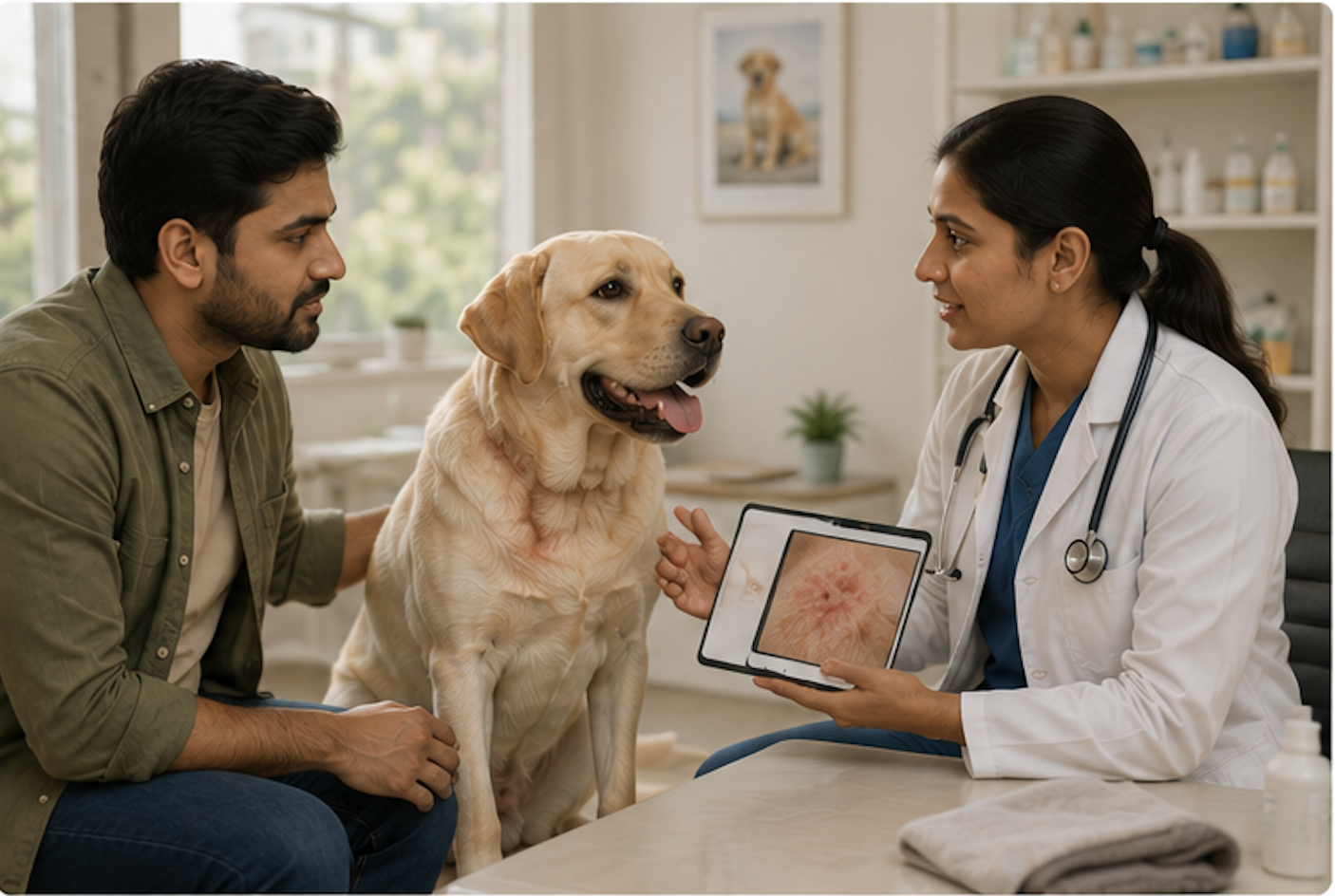
You should see a vet if your dog’s itching is persistent, intense or comes with other symptoms.
Book a vet visit if you notice:
- Constant scratching
- Sour or musty smell
- Red skin
- Hair loss
- Greasy skin
- Paw chewing
- Ear smell
- Ear discharge
- Open sores
- Bleeding
- Swelling
- Sleep loss
- Behaviour change
- Repeated skin infections
Do not wait until your dog is unable to sleep.
Itching is not always minor.
What Bruno teaches pet parents
Bruno taught us that dogs ask for help in ways humans often minimise.
A little itch.
A little smell.
A little paw licking.
A little redness.
A little less sleep.
Each sign may seem small alone. But together, they can tell a story.
Pets live in bodies that cannot explain discomfort in words. By the time they make the problem obvious, they may already have been uncomfortable for days or weeks.
So the question is not only “Is my dog sick?”
Sometimes the better question is:
“What is my dog trying to tell me?”
What this story means to All Tails
At All Tails, we believe better pet care begins with paying attention.
A grooming session, a vet visit, a towel after a walk, a clean ear, a dry paw — these small acts can prevent discomfort from becoming a bigger problem.
Bruno’s story reminds us that pet care is not only about reacting to emergencies.
It is about noticing early.
It is about taking a harmless-looking itch seriously.
It is about understanding that comfort, hygiene and health are connected.
Final thought: The promise in the towel
The monsoon has not ended.
Bruno still splashes through muddy water like every puddle was created for him personally.
But the scratching has stopped.
Now, when he shakes off a spray of rainwater, I am ready with the towel.
Not just as a reflex.
As a promise.
A promise that I will not dismiss discomfort as normal just because it is common.
A promise that I will listen sooner.
A promise that the next time my dog asks for help, I will recognise it before the itch becomes impossible to ignore.
Quick answers before you book
Why is my dog itching so much in monsoon?
Dogs may itch more in monsoon because humidity, damp fur, wet paws and trapped moisture can irritate the skin and create conditions for yeast or bacterial skin problems. Persistent itching should be checked by a vet.
What is yeast dermatitis in dogs?
Yeast dermatitis is a skin condition caused by yeast overgrowth on a dog’s skin. It can cause itching, redness, greasy skin, sour smell, paw licking, ear irritation and hair thinning.
Why does my dog smell sour or damp?
A sour, musty or damp smell can be a sign of yeast overgrowth, skin infection, ear problems or moisture trapped in the coat. If the smell persists, consult a veterinarian.
Is paw licking a sign of yeast infection?
Paw licking can be linked to yeast, allergies, damp paws, irritants, small injuries or other skin problems. If the paws are red, smelly, swollen or constantly licked, see a vet.
Can humidity cause dog skin problems?
Yes, humidity can contribute to dog skin problems because moisture may stay trapped under fur, around paws, in ears or under collars. This can worsen itching and odour.
Can I use baby powder on my itchy dog?
Do not use baby powder or random home remedies on an itchy dog without veterinary guidance. Some products can irritate the skin or make the problem worse.
How do I dry my dog properly after monsoon walks?
Use a clean towel to dry paws, underbelly, ears, neck and areas under collars or harnesses. For thick-coated dogs or dogs prone to skin problems, a low-heat dryer may be helpful if recommended by your vet.
When should I take my dog to the vet for itching?
See a vet if your dog has constant scratching, sour smell, red skin, hair loss, greasy skin, paw chewing, ear discharge, open sores, swelling, sleep loss or repeated skin problems.
Can grooming help with monsoon skin care?
Grooming can help with bathing, proper drying, ear cleaning, nail trimming, paw hygiene, tick checks and odour control. However, grooming is not a replacement for veterinary care if your dog has an active skin infection.
Which All Tails grooming package is best for monsoon hygiene?
Essential Care is good for bathing and basic hygiene, Signature Care adds hygiene trimming, and Complete Pampering is best for full coat care, dematting and premium grooming. If your dog has skin symptoms, consult a vet before booking grooming.
Does All Tails grooming happen inside the home?
Yes, All Tails grooming happens inside your home. The grooming team sets up using waterproof mats and a portable grooming vanity kit.
What does Bruno’s story teach pet parents?
Bruno’s story teaches that a harmless-looking itch can be a sign of discomfort. Persistent scratching, smell, redness or paw licking should be taken seriously.
Our editorial team consists of professional pet groomers and pet-care researchers who write clear, practical guides based on real grooming sessions across Delhi NCR, Chandigarh Tricity, and Dehradun.
Leave the grooming to us.
Trained groomers at your home — packages from ₹999. Pay online or after the session.
More guides in the same flow
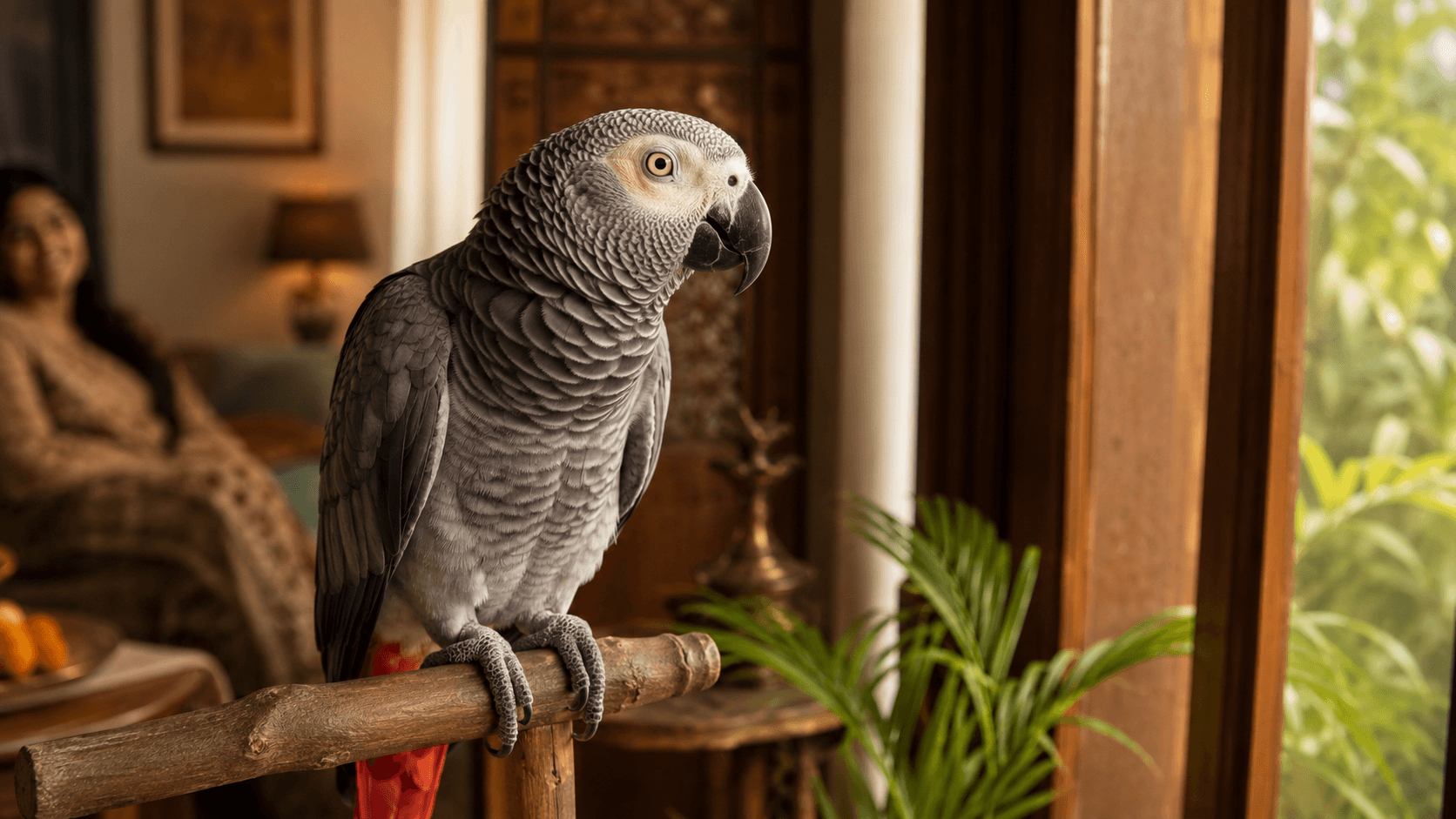
What an African Grey Parrot Taught Us About Exotic Pet Care in India
Michelle the African Grey parrot was never just a pet. Her story is a moving reminder that exotic pet care in India requires patience, better diet, avian vet care, social learning and the humility to keep learning from the animals we love.
Open guide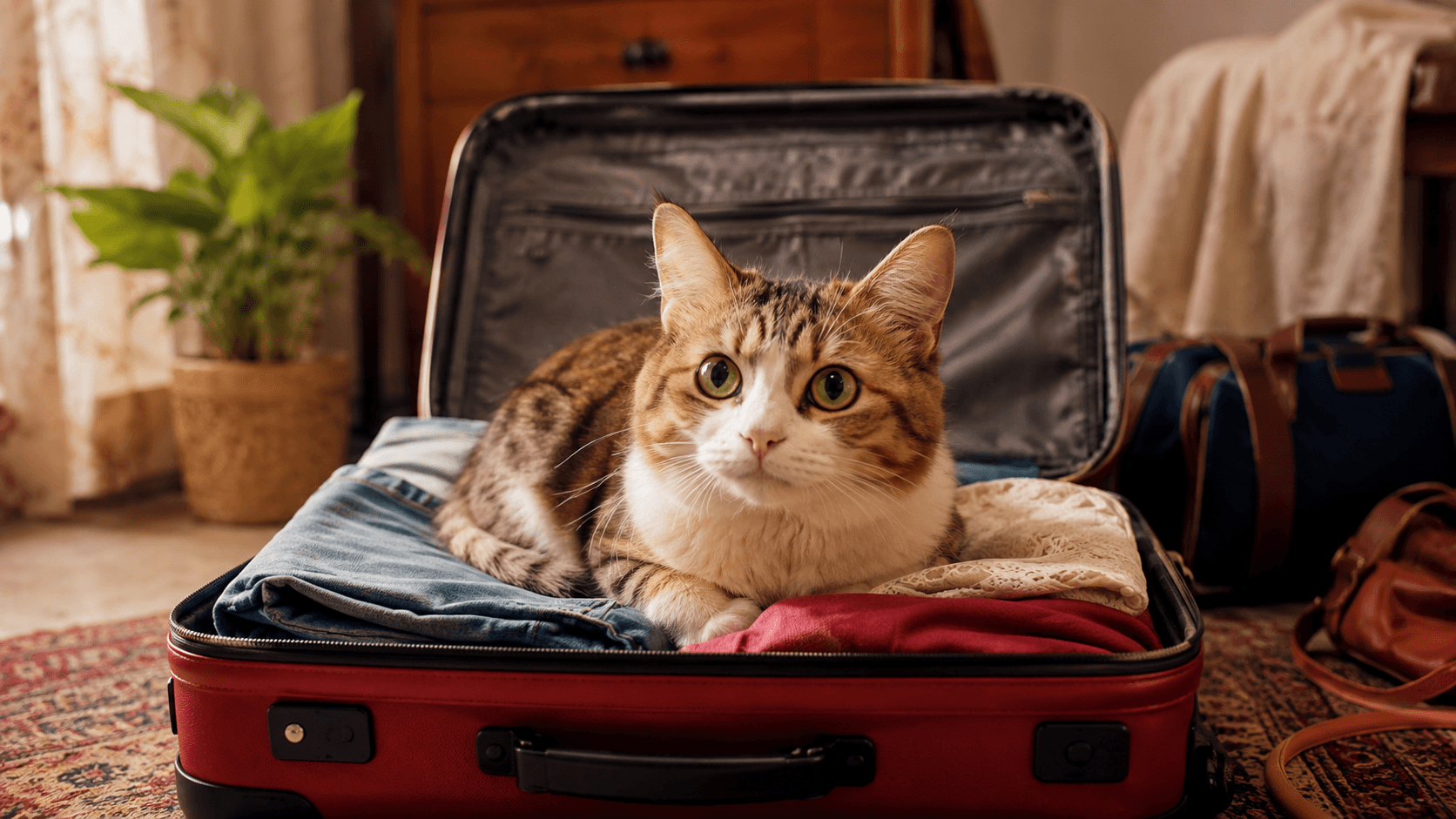
The Suitcase Cat: Understanding Cat Anxiety and Travel Stress
Luna the cat used to hide inside suitcases before every family trip. Her story is a gentle reminder that cat anxiety is not stubbornness — it is often a request for safety, routine and reassurance.
Open guide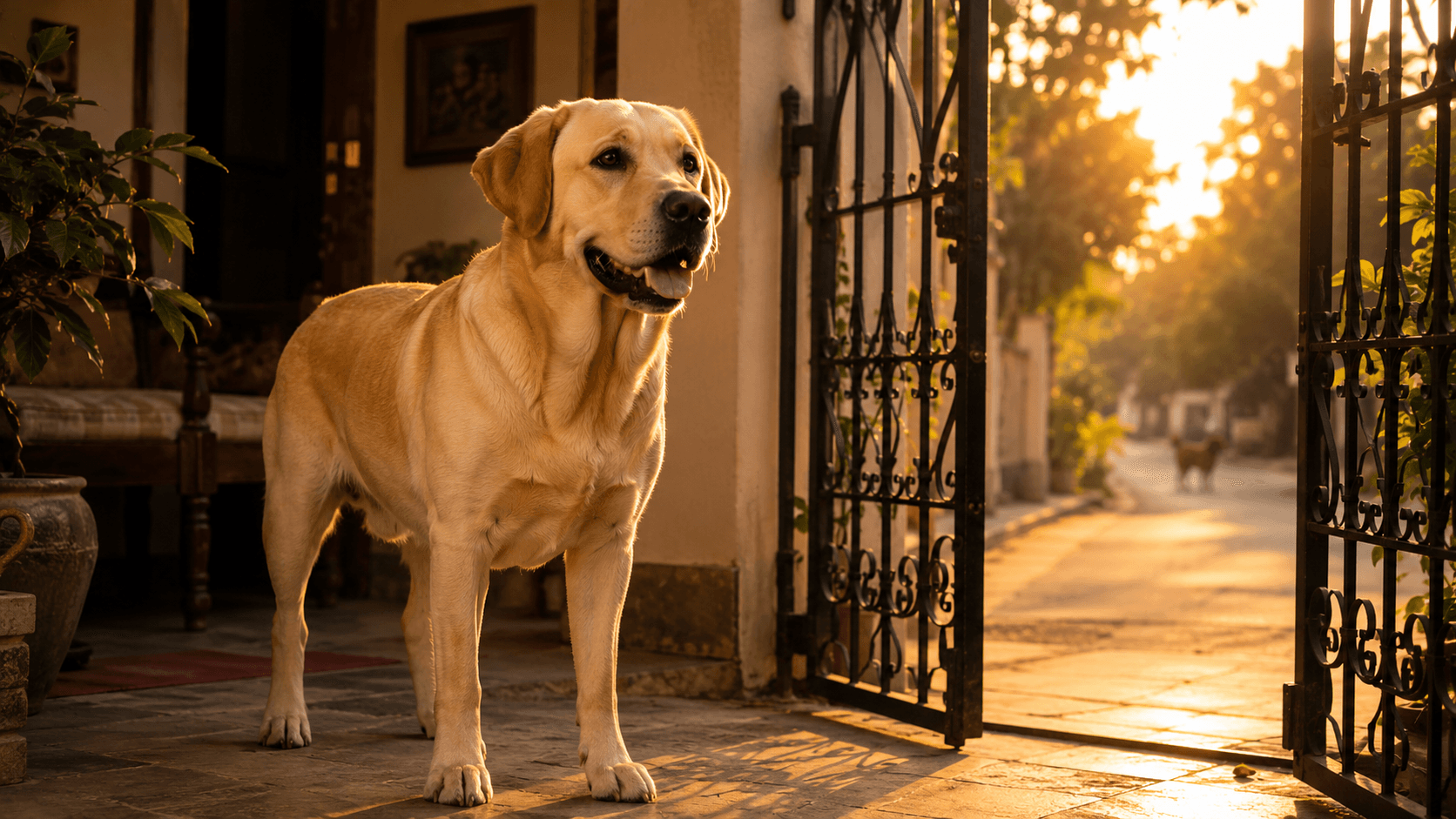
Rover’s Secret Children: Why Neutering Matters
Rover was a loved Labrador who always came home after his evening adventures. But somewhere in the city, his puppies were born into cardboard boxes and uncertain futures. This story asks pet parents to rethink freedom, masculinity and the responsibility of neutering.
Open guide